Depth & soundness
Shallow wear and deeper material loss are different conversations. Loose or unsound concrete affects what a repair can bond to.

Concrete problem 03 · Surface deterioration
Loose chips, shallow scaling, rough worn areas, and deeper material loss can look similar from a distance. The useful questions are how deep, how widespread, how quickly it is changing, and whether the surrounding concrete remains sound.
Surface wear ranges from cosmetic to progressive. The soundness of the underlying concrete and the extent of deterioration shape whether repair deserves consideration.

Design inspiration only. StoneVex publishes project-specific proof after verification.
What to notice first
Map every affected area, note whether material is loose, and compare exposed edges, joints, vehicle paths, drainage zones, and sheltered sections.
Possible contributors
Surface deterioration may relate to finishing or curing history, moisture, chemical exposure, abrasion, impact, reinforcement corrosion, or other conditions. The underlying concrete must be evaluated before a repair material or replacement scope is selected.
Shallow wear and deeper material loss are different conversations. Loose or unsound concrete affects what a repair can bond to.
Ponding, repeated wetting, chemicals, vehicle use, and exposed edges may help explain where deterioration is concentrated.
Cracking, exposed reinforcement, recurring loose material, or broad surface loss may require a larger assessment than one cosmetic area.
Request prompt assessment when loose material is spreading, reinforcement is exposed, sections are breaking away, or the condition affects normal walking or vehicle use. Do not disturb questionable areas to test them yourself.
Prepare for the estimate
Clear photos and a map of affected areas help distinguish a contained finish concern from broader deterioration.
Include a safe reference object and a wide photo showing the full panel or surface.
Record whether material is powdery, flaky, chipped, or missing in deeper pieces without prying at the surface.
Compare areas that collect water with sections that stay relatively sheltered.
Note loose debris, rough walking areas, vehicle paths, and edges where deterioration affects daily use.
The StoneVex process
A residential concrete project should be understandable from the first conversation through the final walkthrough.
We learn what is working, what is not, and what you want the finished space to become.
The surface, access, measurements, drainage, and surrounding property inform the conversation.
You receive a clear scope covering the recommended approach, finish, preparation, and project flow.
The project moves from removal and preparation through placement and finishing with clear communication.
We review the completed work and discuss the care guidance relevant to the finished surface.
Related StoneVex services
StoneVex can compare a localized repair conversation with replacement planning when deterioration is broad, progressive, or tied to a larger surface goal.

Primary service
Evaluate localized spalling, flaking, damaged edges, and surface wear.
Explore this path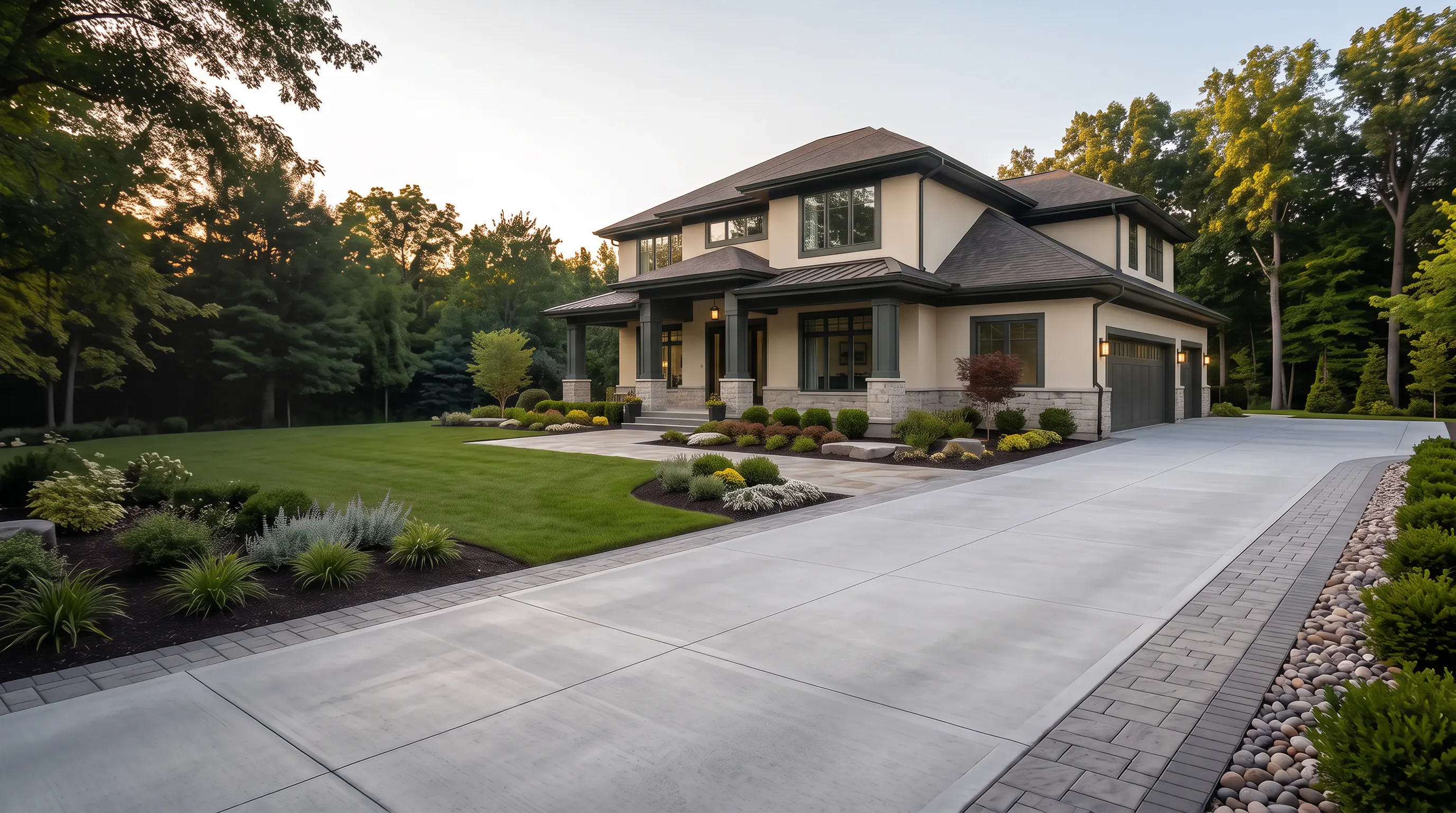
Related service
Consider replacement when surface deterioration extends across vehicle areas or several driveway sections.
Explore this path
Related service
Review patio replacement when deterioration, drainage, transitions, or appearance goals affect the outdoor space.
Explore this pathQuestions before the estimate
These answers describe general planning factors. An on-site review is needed to assess soundness and scope.
Photos can document the visible pattern, but they may not show elevations, support conditions, drainage behavior, continuing movement, or the full relationship to nearby slabs. An on-site estimate is the responsible next step.
No. A focused repair may fit a contained condition when surrounding concrete, elevations, drainage, appearance expectations, and project goals support it. Partial or broader replacement deserves consideration when several concerns are connected or the symptom extends beyond one area.
Take wide and close photos from more than one angle. Note where the condition begins and ends, nearby joints and transitions, what changes after rain, and whether walking, vehicle movement, or drainage are affected.
Sometimes a surface repair may be considered, but the underlying concrete must be sound and the cause and extent of deterioration matter. A coating or overlay should not be assumed to solve loose, progressive, or deeper distress.
Concrete repair is the primary starting point for a localized assessment. Driveway replacement or concrete patio services may fit when deterioration is widespread or connected to a broader replacement goal.
Request an on-site estimate
Share the essentials now. StoneVex can gather photos and deeper project details during follow-up rather than making the first step unnecessarily long.
Your information is used to respond to your project request. Photo upload will be added only when secure file handling is connected and verified.